

Topics covered in the course include:
Preparation for Emergencies
The "Seven Steps to Survival"(a priority listing of steps to take during an emergency), the role of preparation in dealing with emergencies, and survival kits.
Cold Water Survival
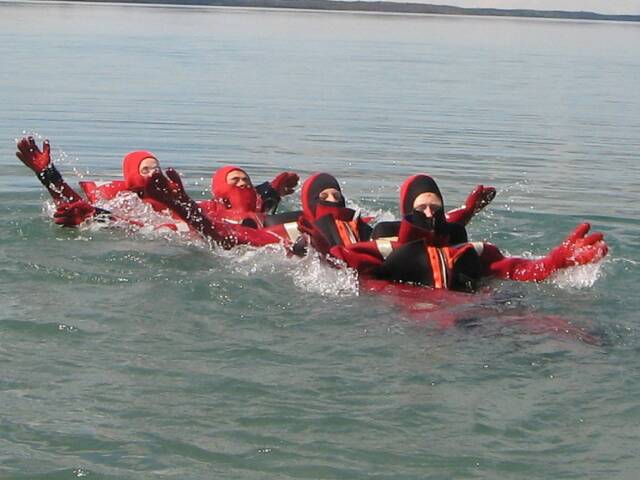
Overview of types of personal flotation devices (PFDs), includes advantages, disadvantages, and maintenance as well as cold water survival techniques. A pool practical is included.
Sea Survival, Equipment, Procedures & Onboard Drills
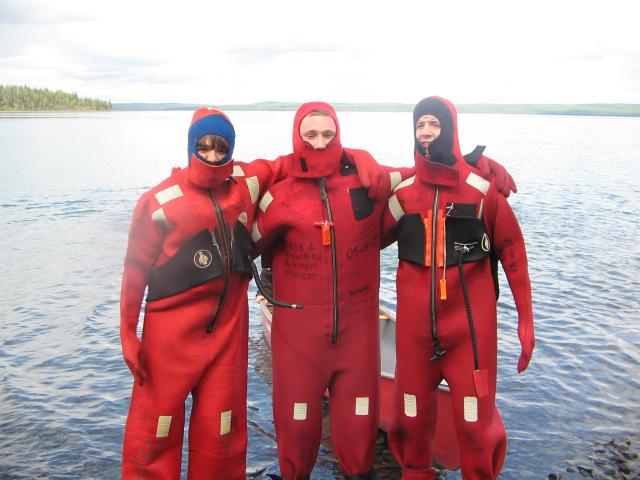
Discussion, hands-on demonstration and practice with survival equipment including EPIRBs (Emergency Position Indicating Radio Beacons), life rafts, flares, immersion suits, and fire fighting equipment. Also, abandon ship procedures, stability, U.S. Coast Guard-assisted evacuations, vessel orientation, and emergency instruction.
Land Survival
Techniques important to surviving in Alaska's environment including shelters, signals and the "Seven Steps to Survival" as they apply to a shore survival situation.
Food and Water in a Survival Situation
The vital role of water in a sea or land survival situation with emphasis on the importance of a safe water supply and preventing dehydration.
Cold Water Near Drowning
The latest information on cold water near-drowning, including a review of the latest State of Alaska guidelines.
Hypothermia
Hypothermia physiology, prevention, recognition, and treatment in accordance with the latest State of Alaska guidelines.
Risk Assesment and Risk Management
Theories of risk assesment, risk perceptions and tolerances, how to increase risk recognition skills, and risk management as applicable to teaching marine safety and workplace and in recreational activities.

This new course offering is an intensive 68-hour, 7 day program designed to train teenagers to effectively stay safe, and in an emergency situation, survive cold water, land, and small boat catastrophes and become skilled in using marine safety equipment and survival gear.
Cold Water, Land, and Small Boat Safety and Survival Course
As teens grow and assume more and more responsibility, they are in need of being trained to survive life's emergencies. In Alaska, there are many opportunities for folks to enjoy the wilderness and all it has to offer. But with this opportunity comes the responsibility to know how to be safe and in the event of an emergency, survive the harsh wilderness environment. This being known, we have developed a program to train students with lots of "hands-on" training to help them enjoy and be safe in Alaska.


Cost for the class is: $350
and includes all food, equipment,
transportation , all
books and materials.
**This class is available to students entering
9-12th grade only.
This course is mostly a hands-on course allowing students to be active participants and practicing survival and emergency procedures by using actual U.S. Coast Guard equipment.
Thanks to the Alaska Marine Safety Education Association for use of all equipment and financial grant to make the classes possible.
IMPORTANT!!
We allow a maximum enrollment of 12 students.
Check with your school about the transfer of credit for this class prior to registration.
In the past, all courses we have offered have transferred to local schools.
This 7 day class takes place at various locations in the Soldotna area. We will be spending class time at Cook Inlet Academy and "water time" at various lakes in the area. All cold water training and boat safety will be done close to shore in shallow water. Land survival will take place on the Swanson River Canoe system outside of Sterling


May 23-29
June 1-7

New This Year!!


In addition to the cold water safety class where we learn to use really cool U.S. Coast Guard Approved Gear like survival suits, rafts, etc. we will also be taking a 3-day canoe trip on the Swanson River canoe system. This trip will allow you to put your cold water skills to work. We will also be learning land safety and survival skills. Here is a partial list of what you will be learning on the canoe trip:
1. Leadership training
2. Group building
3. Camp set up and maintaining
4. Drinking water safety
5. Basic first aid/survival techniques
6. Map and compass reading
7. "toilets in the woods" (don't ask)
8. Meal Prep
9. Bear Encounter and Avoidance skills
10. Staying warm and dry
11. Fire safety and building
12. Use of backpacking equipment
13. Canoe use and safety
...and lots more
We may even teach you the fine art of the perfect s'more

